Hey everyone, let’s cut to the chase here—if you’re running a packaging equipment supplier (or shopping for it), you know the industry’s a lot different now than it was even 5 years ago. When I started in this game, 10 years back, most clients just wanted a machine that slapped a label on a box or sealed a bag and called it good. But now? The market demands don’t just feel like they’re shifting—they’re flipping, and if you’re not paying attention, you’ll get left behind. As a packaging industry production equipment supplier, I’m on the front lines talking to food brands, e-commerce giants, pharmaceutical guys, and even small craft beverage owners every single day, and let me tell you, their requests aren’t generic anymore. Packaging Industry Production Equipment
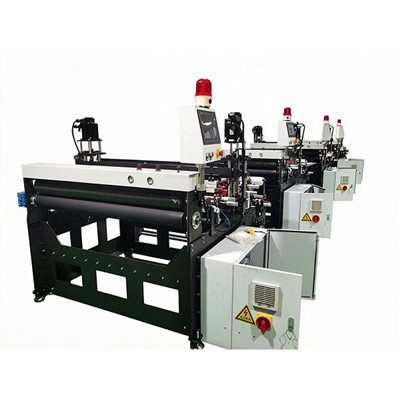
First off, let’s talk about sustainability—this isn’t a “trend” anymore, it’s a non-negotiable. Clients used to joke about “going green” like it was a marketing gimmick, now? The FDA’s got rules, Amazon’s forcing brands to cut packaging waste, and consumers will actually leave a bad review if a brand uses too much plastic. Let’s get specific: when a craft cookie brand hit me up last month, they didn’t just ask for a flow wrapper. They wanted a machine that could handle their new compostable wrappers (the ones that aren’t flimsy garbage) without jamming, plus a system that only uses 20% less plastic than their old setup. Another client—a big cereal maker—needed equipment that can switch between their new paper liners and old plastic liners in under 10 minutes, no extra tools. The old machines we sold back in 2018? They couldn’t do that. They’d take an hour to swap parts, and would tear the compostable stuff because the tension settings were garbage. Now, 8 out of 10 new clients ask for energy-efficient models too—they’re tired of their equipment cranking $2k in monthly utility bills. We just rolled out a line of modified form-fill-seal machines that use 35% less electricity than standard ones, and it’s the only model that actually sells out within 2 weeks of restocking. The sustainability demand isn’t just about materials, it’s about the machine’s whole footprint.
Next up, flexibility and customization. E-commerce and D2C are blowing up, and that means brands aren’t just making one product anymore. A skincare company I work with now makes 12 different serum sizes—10ml travel, 30ml daily, 50ml bulk—all in the same bottle shape, just different labels and caps. Their old packaging line could only handle one size, so they had to stop production every time they switched, which cost them like 8 hours a week in downtime. When they called us, their top request was a machine that can adjust for 3 different bottle sizes (and they might add more later) without a full tear-down. We modified a vertical cartoner for them that uses quick-change guides—no bolts, just a lever pull—and now they switch sizes in 2 minutes flat. The takeaway here: clients don’t want “one-size-fits-all” equipment, they want machines that grow with their brand. Even small businesses—like that craft hot sauce maker I mentioned—ask for flexibility. They start with 5oz bottles, then next year they might do 12oz. If our equipment can adapt, they don’t have to buy a whole new line 2 years from now. That’s the big win for both sides.
Then there’s speed and output efficiency. Wait, before you roll your eyes—speed isn’t just “make more boxes faster.” It’s about consistent speed that doesn’t break when the packaging material changes. A snack food client had a problem: their old horizontal flow wrapper would run at 120 units per minute when using standard plastic, but drop to 80 when they tried a thinner, cheaper compostable film. That killed their production output, so they were losing money by switching to the eco-friendly film. We helped them tune a custom machine that adjusts tension automatically based on the material it’s feeding, so it runs at 110 units per minute no matter what film they use. That’s the kind of thing suppliers don’t always advertise, but it’s exactly what clients are begging for. Also, post-pandemic, supply chains are still wonky—brands can’t wait 6 weeks for a part replacement. So clients want equipment with easy-to-source, off-the-shelf parts, not weird custom parts only the original manufacturer sells. We now keep a stock of 90% of the common parts for all our machines in our warehouse, so if a client has a breakdown, we can ship a replacement same-day. That’s a huge differentiator from a lot of big-name suppliers who make you wait 2 weeks for a part.
Wait, let’s not forget data and connectivity. Yeah, Industry 4.0 is everywhere, but it’s not just buzzwords. A pharmaceutical client recently told me they need their packaging equipment to log every single batch—tracking lot numbers, expiration dates, even how fast the machine ran that shift—for FDA compliance. If their machine can’t send that data straight to their cloud system, they can’t ship their product. That’s not optional anymore. Even a craft brewery client wanted this—they track their beer packaging to make sure each case has the right labels, and they want the machine to flag if a label is missing so they don’t have to hire a person to stand there and check. Our new models have basic IoT connectivity built in—no extra expensive add-ons, just a simple dashboard that clients can pull up on their phone or laptop. The old clients who bought our pre-2020 machines? We retrofitted the connectivity for them at a reasonable cost, and they loved it. The brands that don’t have data tracking now are going to get hit with fines, so that’s a demand that’s only going to get bigger.
Now, let’s talk about the “hidden” demands that most suppliers miss. First, ease of use and training. A lot of small business owners don’t have a team of engineers—they’ve got one or two people running the whole line. So if the machine is super complicated to operate, they’re not going to buy it. We designed our new cartoners with a touchscreen interface that’s literally like using an iPad—no weird codes, no 50-page manuals. We also offer 1-hour training sessions over Zoom, and on-site training for bigger clients, no extra hidden fees. Another hidden demand: support after the sale. I can’t tell you how many times I’ve talked to a client who bought a machine from a big national supplier, and now the supplier won’t return their calls because the warranty is up. We have a 24/7 support line for all our clients—even the ones who bought our 5-year-old machines. Last month, a client in Texas had a machine break at 2 a.m. right before a big holiday order, and our tech guy hopped on a call, walked their operator through fixing it in 15 minutes. That’s the stuff that keeps clients coming back, not just the machine itself.
Let’s also break down which industries are driving these demands, because that matters. Food and beverage is still the biggest—they’re facing the most sustainability rules, plus e-commerce demand for smaller, individual packaging. Pharmaceuticals are huge on compliance and data tracking. E-commerce packaging (like shipping boxes, poly mailers) is growing because so many brands are online-only, and they need fast, flexible lines that can handle variable box sizes. Even the beauty industry—small, high-end products—need machines that can handle small bottles, custom labels, and now, recyclable packaging. If a supplier is only catering to one of these industries, they’re leaving money on the table. We specialize in cross-industry packaging equipment, so we can adapt our machines to fit whatever a client makes, which is why our customer base is all over the place.
Wait, let’s address the elephant in the room: cost. Everyone cares about price, but clients don’t want the cheapest machine—they want the best value. A cheap machine might cost $10k less upfront, but if it breaks every 6 months, wastes packaging material, and uses way more electricity, it’s going to cost them way more in the long run. That’s a common mistake small brands make—they go for the lowest bid, then regret it 6 months later. As a supplier, we’ve started giving clients total cost of ownership (TCO) breakdowns, not just the upfront price. For example, a client looking at two flow wrappers: ours is $15k, the competitor’s is $12k. But our machine cuts plastic waste by 25%, uses 30% less electricity, and has a 5-year warranty vs. the competitor’s 1-year. Over 5 years, ours saves them $8k in materials and utilities, so it’s actually a better deal. That’s how we sell now, not just on price, but on total value.
Now, what’s next? I’m already seeing new demands popping up. For one, modular machines—clients want to add features later, like a labeling system or a batch code printer, without buying a whole new line. We’re working on launching a modular form-fill-seal line next quarter, where you can swap out components as your brand grows. Also, more focus on circular packaging—machines that can handle recycled materials without compromising performance, and even machines that process unused packaging waste on-site (so brands don’t have to send it to a landfill). A lot of big box stores are starting to offer in-store returns, and brands need equipment that can repackage returned items, so reverse logistics is going to be a thing soon. That’s something we’re already testing with a major retail client.
But let’s get real—none of this matters if you don’t listen to your clients. I don’t just take orders; I meet with my clients every quarter, ask them what’s working, what’s not, what they need in the next year. That’s how we came up with the quick-change guides, the energy-efficient motors, the basic IoT connectivity. If we tried to guess what clients wanted, we’d be way off. Right now, we have 12 pending custom projects, all based directly on feedback from our existing clients. For example, a pet food brand wanted a machine that can handle both dry kibble and wet treats without cross-contamination, so we’re designing a machine with removable hoppers that are easy to clean, no tools needed.
If you’re a brand owner reading this, and you’re tired of packaging equipment that doesn’t fit your needs, maybe it’s time to talk. I get that shopping for packaging production equipment feels overwhelming—there’s so many options, so many buzzwords, and you just want a machine that works for your specific products, your timeline, and your budget. As a packaging industry production equipment supplier, we don’t push one-size-fits-all garbage; we work with you to find (or build) the right machine, with support that actually shows up. No fine print, no hidden fees, just equipment that helps your brand grow.

If you’re ready to stop dealing with machines that jam, waste materials, or leave you waiting for parts, reach out—we can hop on a call, chat through your needs, and even send over a free TCO breakdown for the equipment that fits you best. Don’t settle for a supplier that sees you as just another sale; work with one that understands the packaging game, because that’s how we all win.
Automotive Industry Production Equipment References
- Packaging Digest. (2023). 2024 Packaging Equipment Trends: Sustainability, Flexibility, and Digitalization.
- Smith, J. (2022). The Impact of E-Commerce Growth on Packaging Production Equipment Demand. Journal of Packaging Technology and Science.
- FDA. (2023). Current Good Manufacturing Practices (CGMPs) for Pharmaceutical Packaging.
- Energy Star. (2023). Energy Efficiency in Industrial Packaging Equipment: Market Analysis and Opportunities.
- McKinsey & Company. (2023). Global Packaging Industry: Navigating Shifts in Consumer Expectations and Regulatory Requirements.
Shanghai Zenyan Automation Engineering Co., Ltd.
As one of the leading packaging industry production equipment manufacturers in China, we warmly welcome you to buy advanced packaging industry production equipment made in China here from our factory. All customized machines are with high quality and low price. Contact us for quotation.
Address: 3rd Floor, Building A, No.5629 Beisong Road, Chedun Town, Songjiang District, Shanghai, China
E-mail: zenyan_sh@163.com
WebSite: https://www.zenyanauto.com/
