Hey everyone, let’s cut to the chase—if you’re in manufacturing, healthcare, retail, or pretty much any industry that moves products across suppliers, warehouses, or clients, you’ve probably run into that annoying quality control (QC) data mess. Like, you spend hours slinging spreadsheet files back and forth between teams, only to find a typo in a batch number, a missing test result, or someone accidentally overwrote the file that had the latest inspection data. Sound familiar? I’m from an EDI Module supplier, and I’m here to tell you that the EDI module is the unsung hero fixing that exact chaos. No, it’s not some fancy buzzword for tech bros—it’s the thing that makes QC data exchange actually work, without the headaches. EDI Module
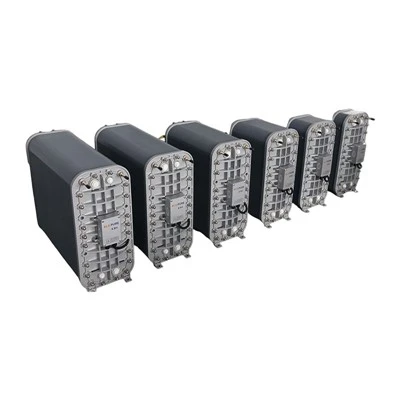
First, let’s get super clear on what an EDI module even is, because some folks still mix it up with basic email transfers or generic file-sharing tools. EDI stands for Electronic Data Interchange, right? And a dedicated EDI module is the software component built specifically to handle structured, standardized data transfer between two different systems—no middlemen, no messy manual retyping, no human error. For QC, that means everything from lab test results for raw materials, to incoming inspection checklists, to non-conformity (NC) reports, to final batch release certificates moves between your supplier’s ERP, your in-house QC system, and even your client’s quality team automatically. No more “I sent that to your sales email last week—did you get it?” panic.
Let’s talk about the QC pain point that everyone deals with, before EDI modules came along. Back when I first started in this space (I’ve been selling EDI modules for small to mid-sized manufacturing ops for 8 years, so I’ve seen it all), teams would rely on CSV files, PDF attachments, or even snail mail for QC data. Let’s use a real example: a food processor I worked with a couple years back. They sourced organic almonds from 12 different farms, and every farm had their own way of sharing pesticide test results. One farm sent a PDF with the batch number buried in the footer, another sent a hand-scanned Excel file that had typos in the lot codes, and another just emailed a screenshot of the lab report. Their in-house QC team spent 10+ hours a week manually entering all that data into their inventory system, and they still missed a test result once—leading to a full recall of 2 pallets of almonds that got sent out to grocery stores. Total cost? Over $120k, plus a hit to their brand. That’s the kind of stuff EDI modules fix.
So what’s the actual role of the EDI module in QC data exchange, beyond just “sending files”? Let’s break this down into the stuff that matters for you, not just tech jargon.
First: Standardization. This is the big one that most people miss when they think of EDI. Different teams, different suppliers, different clients all have their own QC data formats. A component manufacturer might use XML for their material test reports (MTRs), a medical device client might require their own proprietary EDI format for part approval, and your warehouse might use a CSV for incoming inspection logs. An EDI module takes all that messy, unstructured or mismatched data and translates it into a universal standard—like EDIFACT, ANSI X12, or even industry-specific ones like GS1 for retail or HL7 for healthcare. It doesn’t matter if your supplier uses a legacy ERP from 1998 or a cloud-based system built last year; the EDI module acts as a middleman that speaks both languages, turning their QC data into something your system can understand, and vice versa. No more manual data mapping, no more arguing with suppliers to “use our specific template.” We had a client in automotive parts who used to spend 5 hours a week mapping incoming MTRs from 7 different tier 1 suppliers. After they got our EDI module, that task dropped to 15 minutes a week—because the module did all the translation automatically.
Second: Accuracy, which is non-negotiable for QC. Let’s be real, manual data entry is one of the leading causes of QC errors. The FDA (I swear, even manufacturers who don’t work with the US know the FDA’s QC rules) says that human data entry causes up to 70% of non-conformities in supply chains. An EDI module eliminates that entire step. Once you set up the data flow rules, QC data moves directly from the lab’s testing machine (like a spectrometer or hardness tester) straight into the EDI module, which pushes it to your ERP, your quality management system (QMS), and your client’s system—no one types a single number wrong. We had a medical device client who had a QC error rate of 2.8% on incoming parts before EDI. A year after implementing our EDI module, that dropped to 0.12%. That’s not just a number—for medical devices, that means less risk of product failure, fewer regulatory headaches, and no costly device recalls.
Third: Real-time visibility, which is huge for meeting QC deadlines. A lot of industries have strict timeframes for QC data—like if you’re importing goods, customs might require a batch test result within 24 hours of arrival, or a retail client might refuse a shipment if the MTR isn’t in their system within 48 hours. With old-school file-sharing, you’re waiting for someone to email you a file, check it for errors, upload it to your system. That’s slow, and delays cost you. An EDI module sends QC data in real time. As soon as a lab finishes testing a batch of raw materials, the EDI module gets the data and alerts your QC team instantly—no waiting around. We had a food and beverage client that used to get hit with $20k+ in late fees from a major grocery chain every time their QC data was delayed. After their EDI module went live, they haven’t paid a late fee in 3 years. That’s concrete savings right there.
Fourth: Audit trail and compliance, which is basically the backbone of QC for regulated industries. If you’re in pharmaceuticals, aerospace, medical devices, or even food, you have to keep a paper (or digital) trail of every single QC test result, who accessed it, when, and any changes made. Auditors will come knocking, and if you can’t produce that trail, you get fined or worse. An EDI module automatically creates a permanent, unalterable audit log of every QC data transfer. It shows exactly when a test result was sent, from which system, who received it, and if any edits were made. We had a client in aerospace go through an FAA audit last year, and they said the EDI module’s audit log cut their audit prep time from 2 weeks to 2 hours. The auditor even commented that it was the cleanest QC data trail they’d seen all year. That’s the kind of peace of mind you can’t get with spreadsheets.
Wait, but let’s address the biggest question we get from clients: “Isn’t EDI old tech? Why not just use tools like Google Drive or Slack to send QC data?” Yeah, Google Drive is great for sharing vacation photos, but it’s terrible for QC data. Let’s be real—anyone can download a PDF, edit it, and reupload it. Slack messages get deleted, files get overwritten, and there’s no way to track if the QC data you received is the official, unmodified version. We had a furniture manufacturer a few years back that used Slack to share wood thickness test results. A new QC intern accidentally uploaded the wrong file (it was a test from a different wood batch) and the client rejected a $500k shipment. That’s the kind of mistake that EDI modules prevent, because they only transfer verified, standardized, unaltered data. No “oops, wrong file” disasters.
Another common myth: EDI modules are only for huge Fortune 500 companies. Nope, we work with small to mid-sized businesses (SMBs) that have 50-200 employees, and they’re the ones who benefit the most—because they don’t have huge QC teams to waste on manual data entry. One of our earliest clients was a small metal stamping shop in Ohio that supplied parts to local car dealerships. Before our EDI module, their QC team (which was just 2 people) spent half their week retyping test results. After they got the module, they reallocated that time to improving their in-house QC processes, and their defect rate dropped by 18% in 6 months. That’s growth, not just cost savings.
Now, let’s talk about how this works in practice for QC-specific use cases, because I don’t want this to be all vague jargon. Let’s walk through a common scenario: a clothing manufacturer that sources fabric from 3 overseas suppliers. Every time a fabric shipment arrives, the manufacturer needs two QC documents: a lab test report for formaldehyde levels (required for US and EU regulations) and a tear strength test result (to make sure the fabric doesn’t rip easily). Here’s how EDI makes this flow:
- The overseas supplier’s lab runs the tests, and their testing system outputs the results in a standard format.
- The supplier’s ERP sends the raw test data to our EDI module, connected to their system.
- The EDI module translates that data into the formats both the clothing manufacturer’s QMS (Quality Management System) and their major retail client’s QC system require.
- It automatically checks for errors: did the batch number match the packing slip? Is the formaldehyde level under the legal limit? If everything checks out, it sends a notification to the clothing manufacturer’s QC team and uploads the official test results to the retail client’s portal.
- If there’s a problem (like the formaldehyde level is too high), the EDI module flags the issue instantly, sends an alert to both the supplier and the manufacturer’s QC team, and creates a non-conformity (NC) report automatically—no one has to build that NC report from scratch.
That’s it. No spreadsheets, no email chains, no missed deadlines. Just smooth, automated QC data exchange.
Now, let’s get real about what to look for in an EDI module for QC, because not all modules are built the same. A lot of generic EDI tools are one-size-fits-all, which means you have to tweak everything to fit your QC needs. The best EDI modules for QC have built-in features specifically for quality data: like pre-built MTR formats, NC report templates, compliance with FDA, EU GDPR, or ISO standards, and real-time alerts for QC failures. They also integrate with common QMS and ERP systems—like SAP, Oracle, NetSuite, or even smaller tools like Fishbowl—so you don’t have to replace all your existing software to use it.
We always tell clients: if your current QC process has you spending more time managing data than actually doing QC, you need an EDI module. If you’ve had a shipment rejected because of missing or incorrect QC data, you need an EDI module. If you’re terrified of a regulatory audit because your QC data is a mess, you need an EDI module.
I get it, change is hard. A lot of teams have been doing QC the same way for 10+ years, so switching to an automated EDI module feels like a big lift. But we make it easy—our team handles the setup, the data mapping, the integration with your existing systems, and we offer support 7 days a week, because if your QC data gets held up on a weekend, that’s a problem. We’ve had clients go from zero EDI to full QC data automation in less than 2 weeks, with zero downtime.
At the end of the day, QC is all about two things: making sure your products are safe and compliant, and making sure your supply chain runs without unnecessary delays or costs. The EDI module isn’t just a tech tool—it’s the thing that takes the stress out of QC data exchange, eliminates human error, saves you time and money, and keeps your clients happy.
If you’re tired of chasing QC data, dealing with rejected shipments, or wasting hours on manual data entry, we can help. We’ve worked with hundreds of businesses across industries to build EDI modules tailored specifically for their QC needs, no fancy contracts or overpriced enterprise plans. Reach out to us to talk through your current QC data pain points and see how we can streamline your process.
Commercial RO Membrane References
- U.S. Food and Drug Administration (FDA). (2022). Data Integrity and Compliance With CGMP Guidance for Industry.
- GS1 US. (2021). The Impact of EDI on Supply Chain Quality Management.
- International Organization for Standardization (ISO). (2020). ISO 9001:2015 Quality Management Systems Requirements.
Fujian Huamo Technology Co., Ltd.
Fujian Huamo Technology Co., Ltd. is one of the most professional edi module manufacturers and suppliers in China, featured by quality products and good service. Please rest assured to wholesale the best edi module made in China here and get price list from our factory. Contact us for custom service and OEM service.
Address: No.6 Hengtong Rd, Shanmei Village, Xiamei Town, Nanan City, Fujian Province, China
E-mail: info@huaromembrane.com
WebSite: https://www.hmromembrane.com/
