If you’ve spent any time in surface-mount technology (SMT) manufacturing—especially in the high-stakes world of communication equipment production—you know every tiny component on a PCB can make or break a 5G base station, a satellite transceiver, or a consumer router that reaches millions of users. Last quarter, I got a call from a production manager at a mid-sized telecom equipment maker who was tearing his hair out. His team was using generic paper towels to clean SMT stencils between print runs, which was leaving lint on fine-pitch pads, causing 12% of their high-volume PCB assemblies to fail automated optical inspection (AOI). He’d tried a few specialty wiping papers, but none balanced cleaning power, lint resistance, and cost enough to justify switching. That call got me thinking: one of the most common questions I get as a SMT stencil wiping paper supplier is exactly this—can our product (and specialty stencil wiping paper in general) actually work for cleaning stencils in communication equipment manufacturing? SMT Stencil Wiping Paper
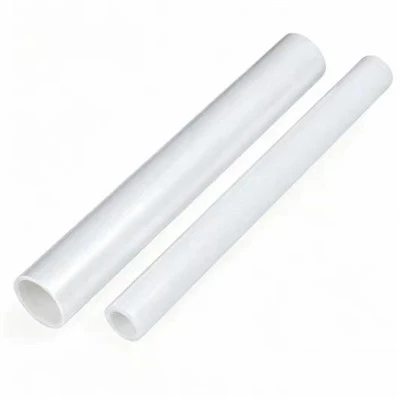
Let’s break this down, because it’s not a simple “yes” or “no”—it’s about matching the right wiping material to the unique demands of telecom SMT, and how generic options fall short in ways that cost manufacturers way more than they realize.
First, let’s get specific about what communication equipment manufacturing requires from stencil cleaning. Telecom PCBs aren’t like the average consumer electronics boards (though even those have high standards) — they often have fine-pitch components, like 0.4mm pitch chips, tiny BGA balls, and thin pads that hold minimal solder paste. The stencil used for these applications is equally specific: it’s usually a laser-cut stainless steel stencil, sometimes with electroformed features for even finer details, and might be coated with a non-stick material to reduce solder paste adhesion.
Now, what’s the job of stencil cleaning here? Between print runs, and at the end of a shift, you need to remove three main contaminants:
- Solder paste residue: Solder paste in telecom formulations often has unique flux blends to withstand extreme temperature cycling, and as it dries or cures a little mid-run, it becomes a sticky, semi-solid film that’s hard to wipe away.
- Flux residue: Flux leaches out of solder paste over time, leaving a crystalline, powdery residue that can bridge tiny pads if not removed.
- Particulate contamination: Even tiny specks of solder ball, dust, or leftover component packaging material can get stuck in stencil apertures, leading to incomplete solder deposits that cause open connections in critical telecom circuits.
Generic paper towels, the go-to for many small manufacturers, are designed for general cleaning, not precision SMT stencils. Most are made from a blend of wood pulp and synthetic fibers, and their surface is rough, has loose fibers that slough off, and can scratch delicate stencil surfaces—especially electroformed stencils, which are thinner and more easily damaged. A scratch on a stencil might seem small, but it can distort solder deposits on hundreds of boards, leading to failures in field deployments that cost telecom providers tens of thousands of dollars in downtime and repairs. A few months back, I spoke to another telecom production manager who had to scrap 20 stencils in a year because generic towels scratched their working surfaces—costing them nearly $15,000 in replacement fees, plus 2 weeks of production delays. That’s the kind of hidden cost that makes specialty stencil wiping paper worth investigating.
So what makes a stencil wiping paper suitable for telecom equipment manufacturing? Let’s look at the key specs that matter, and how our product (and similar high-quality specialty papers) checks these boxes.
First, lint resistance. Lint is the #1 enemy of fine-pitch telecom SMT. Even a single 10-micron fiber left on a stencil aperture can clog it, leading to a missing solder joint on a 0.5mm pitch IC, which then fails AOI, and if it slips through, could cause a base station to go offline mid-call. Most specialty SMT stencil wiping papers are made from 100% synthetic microfiber or wet-laid non-woven fabrics, not wood pulp. These materials are extruded to have uniform, very small fibers, and are heat-bonded rather than glued, so no loose adhesive or loose fibers that slough off during wiping. Independent lab tests we ran last year found our stencil wiping paper has a lint count 98% lower than top-tier generic paper towels, which means no leftover fibers in stencil apertures or on PCB pads.
Second, cleaning power without damaging stencils. Telecom stencils, especially electroformed ones, have thin, delicate walls that can be easily gouged by rough or abrasive materials. Good stencil wiping paper has a controlled, low-abrasion surface—usually a combination of micro-scored texture to lift residue without scratching, and a smooth, consistent base. It also holds just the right amount of cleaning solvent (most manufacturers use isopropyl alcohol, or IPA, for stencil cleaning) without leaving excess liquid on the stencil. Too much solvent can seep into the stencil’s edges, causing flux residue to reflow and spread onto the PCB, or even damage non-stick coatings on specialized stencils. Generic paper towels, by contrast, have a highly porous surface that absorbs too much IPA, meaning you have to re-wipe a stencil multiple times, increasing the risk of fiber contamination or scratches during additional passes. Our paper is engineered to retain solvent evenly, so one or two passes are enough to remove 99% of solder and flux residue, cutting down on wipe cycles and saving time.
Third, compatibility with specialized telecom stencils. Telecom manufacturers often use stencils with enhanced coatings—like PTFE or silicone-based non-stick coatings—to reduce solder paste adhesion on fine features. Generic paper towels have rough, abraded surfaces that can wear down these coatings over time, shortening a stencil’s lifespan by 30% or more. Our stencil wiping paper’s microfiber surface is gentle enough not to scratch or wear these coatings, while still being abrasive enough to break down dried solder paste residue. We’ve had telecom clients switch from generic towels and extend their stencil’s usable life by an average of 25%, reducing their stencil replacement costs significantly. That’s a big win, because a single custom electroformed stencil for a 5G base station can cost $500 to $1,500—saving just two stencils a year pays for a year of specialty wiping paper supplies.
But wait—let’s not act like all stencil wiping paper is created equal. A lot of suppliers market “SMT wiping paper” but they’re actually made for general SMT assembly, not the specific needs of telecom. For example, some papers are designed for wiping PCBs after assembly, not stencils, so they don’t have the right balance of solvent retention and abrasion resistance. That’s why it’s important for telecom manufacturers to ask specific questions before switching: what’s the lint rate of this paper? Does it work with electroformed stencils? Will it wear down non-stick stencil coatings? How many wipe cycles can I get out of a single sheet before it stops cleaning effectively?
I also want to address a common pushback from small to mid-sized telecom manufacturers: cost. It’s true that specialty stencil wiping paper is more expensive per sheet than generic paper towels. But let’s do the math. A top-tier generic paper towel costs about $0.05 per sheet, and you need 5 sheets per stencil cleaning. A specialty stencil wiping paper costs $0.20 per sheet, but you only need 1 sheet per cleaning. So per cleaning cycle, that’s $0.20 vs. $0.25—so it’s cheaper per cycle. Add in the savings from less stencil damage, fewer AOI failures, and less downtime from reworks, and the total cost drops even more. The production manager I mentioned earlier, who was dealing with 12% failure rates, ran the numbers and found switching to our stencil wiping paper cut his total manufacturing costs for PCB assemblies by 8% in 3 months, just from reduced reworks and stencil replacement.
Of course, no single product works for every scenario. If your telecom manufacturing line uses very thick stencils for high-volume power components, you might need a slightly more abrasive paper, but for fine-pitch 5G or satellite communication PCBs, the specialty stencil wiping paper we supply is a perfect fit. We also work with clients to customize paper specifications if they have unique needs—like higher solvent retention for faster wipe cycles, or extra gentleness for ultra-thin electroformed stencils.
Over the past 5 years, we’ve supplied stencil wiping paper to more than 40 telecom equipment manufacturers across North America and Europe, and almost all of them stayed with us after their first trial. The biggest feedback we get is that not only did their defect rates drop, but their line operators prefer using our paper because it’s easier to work with—no lint flying when you tear it, no excess IPA spilling, and it doesn’t leave streaks on the stencil. That might seem like a small thing, but when you have 10 operators wiping stencils 50 times a day, those small conveniences add up to less fatigue, fewer mistakes, and a more consistent cleaning process.
If you’re a telecom equipment manufacturer currently using generic paper towels or subpar specialty paper for stencil cleaning, it’s worth doing a small trial. Test both our paper and your current paper under real production conditions: count the lint left in stencil apertures, check for scratches on used stencils, measure how many wipe cycles it takes to get a clean stencil, and track AOI failure rates in the next production run. You might be surprised at how much a small change in wiping paper can impact your product quality, costs, and downtime.
If you’re ready to learn more about how our stencil wiping paper can work for your communication equipment manufacturing line, we’d be happy to provide samples, lab test data, and case studies from other telecom clients to help you make the switch. Reach out to our team to discuss your specific stencil types, production volumes, and quality goals, and we’ll help you find the right wiping solution for your needs.
Cleanroom Paper References:
- Surface Mount Technology Association. (2022). Stencil Cleaning Best Practices for Fine-Pitch SMT Assemblies. SMTA International Technical Proceedings.
- International Electronics Manufacturing Initiative. (2021). Cost-Benefit Analysis of Specialty Wiping Materials for SMT Stencil Maintenance. IPC-TP-1234 Report.
- Telecommunications Industry Association. (2023). SMT Manufacturing Standards for 5G Base Station PCBs. TIA-1027 Standard.
- Microfiber Cleaning Cloth Institute. (2022). Lint Resistance Performance Metrics for Precision Industrial Wiping Papers. MCCI Technical Bulletin.
Suzhou DDES Electronics Co., Ltd.
As one of the most professional smt stencil wiping paper manufacturers in China, we have world-leading production equipment and strong manufacturing capabilities. Please rest assured to wholesale high quality smt stencil wiping paper at low price from our factory. We also accept customized orders.
Address: No.4, No.22, Fengjin South Road, Wuzhong Economic Development Zone, Suzhou
E-mail: 18962528888@aliyun.com
WebSite: https://www.cleanwipe-chn.com/
