In the realm of printing materials, the choice can significantly impact the outcome of a project, whether it’s for advertising, packaging, or decorative purposes. As a dedicated supplier of custom printed PVC film, I’ve witnessed firsthand the unique characteristics and advantages it brings compared to other types of printing materials. In this blog, I’ll delve into the differences between custom printed PVC film and other common printing materials, including paper, fabric, and vinyl. Custom Printed PVC Film
Physical Properties and Durability
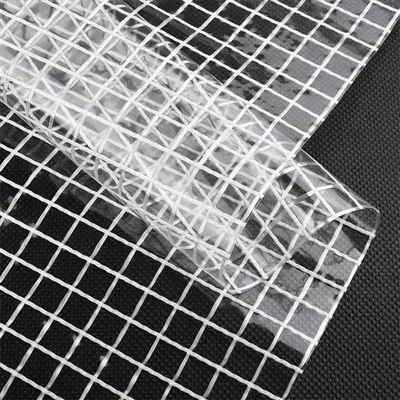
One of the most prominent differences between custom printed PVC film and other materials lies in their physical properties. PVC, or polyvinyl chloride, is a synthetic plastic polymer known for its durability, flexibility, and resistance to various environmental factors.
Paper: Paper is a widely used printing material due to its affordability and ease of use. However, it lacks the durability and water resistance of PVC film. Paper is prone to tearing, wrinkling, and damage from moisture, making it unsuitable for outdoor applications or environments where it may come into contact with water. For example, a paper poster exposed to rain will quickly become soggy and unreadable, while a custom printed PVC film poster can withstand harsh weather conditions without losing its quality.
Fabric: Fabric is another popular choice for printing, especially for applications such as banners and flags. While fabric offers a soft and aesthetically pleasing appearance, it is also more delicate and less durable than PVC film. Fabric can fade over time when exposed to sunlight, and it may require special care during cleaning to prevent damage. In contrast, PVC film is highly resistant to UV rays, ensuring that the printed images remain vibrant and sharp for an extended period.
Vinyl: Vinyl is often compared to PVC film due to its similar appearance and uses. However, there are some key differences between the two. Vinyl is typically more rigid and less flexible than PVC film, which can make it more challenging to work with in certain applications. Additionally, vinyl may not offer the same level of clarity and print quality as PVC film, especially for high-resolution images. PVC film, on the other hand, provides a smooth and even surface for printing, resulting in sharp and detailed images.
Printing Methods and Quality
The choice of printing material also affects the available printing methods and the overall print quality. Custom printed PVC film offers several advantages in terms of printing options and the ability to achieve high-quality results.
Paper: Paper can be printed using a variety of methods, including offset printing, digital printing, and screen printing. Offset printing is suitable for large-scale production and offers excellent color accuracy and detail. Digital printing, on the other hand, is more flexible and cost-effective for small to medium-sized orders. However, paper has limitations in terms of the types of inks and coatings that can be used, which may affect the durability and vibrancy of the printed images.
Fabric: Fabric printing can be done using techniques such as screen printing, heat transfer printing, and digital textile printing. Screen printing is a traditional method that allows for bold and vibrant colors, but it may not be suitable for complex or detailed designs. Heat transfer printing involves transferring a design from a paper or film onto the fabric using heat and pressure, which can be a cost-effective option for small quantities. Digital textile printing offers the highest level of detail and flexibility, allowing for customized designs and full-color images. However, fabric printing may require specialized equipment and expertise, and the print quality may vary depending on the fabric type and printing method.
PVC Film: PVC film can be printed using a variety of methods, including digital printing, screen printing, and flexographic printing. Digital printing is the most common method for custom printed PVC film, as it allows for high-resolution printing and the ability to print variable data. Screen printing is suitable for large-scale production and offers excellent color saturation and durability. Flexographic printing is a high-speed printing method that is commonly used for printing on packaging materials. PVC film can also be coated with special finishes, such as matte or gloss, to enhance the appearance and durability of the printed images.
Cost and Efficiency
Cost and efficiency are important considerations when choosing a printing material. Custom printed PVC film offers a balance between cost and performance, making it a popular choice for a wide range of applications.
Paper: Paper is generally the most affordable printing material, especially for large-scale production. However, the cost of paper can vary depending on the quality, weight, and finish. Additionally, paper printing may require additional costs for finishing, such as lamination or trimming, to protect the printed images and enhance their durability.
Fabric: Fabric printing can be more expensive than paper printing, especially for high-quality fabrics and complex printing techniques. The cost of fabric printing also depends on the size and quantity of the order, as well as the type of fabric and printing method used. However, fabric printing may offer a higher perceived value and a more professional appearance, which can be beneficial for certain applications.
PVC Film: Custom printed PVC film offers a cost-effective solution for a variety of applications. The cost of PVC film printing depends on several factors, including the size, quantity, and complexity of the design, as well as the printing method and finishing options. PVC film is generally more durable and long-lasting than paper, which can reduce the need for frequent replacements and save costs in the long run. Additionally, PVC film can be printed using high-speed printing methods, which can improve efficiency and reduce production time.
Environmental Impact
In today’s environmentally conscious world, the environmental impact of printing materials is an important consideration. While PVC has been associated with some environmental concerns in the past, advancements in technology have made PVC film a more sustainable option.
Paper: Paper is a renewable resource that can be recycled, but the paper manufacturing process consumes a large amount of energy and water. Additionally, paper production may involve the use of chemicals and bleaches, which can have a negative impact on the environment. Recycling paper also requires energy and resources, and not all paper products can be recycled.
Fabric: Fabric can be made from a variety of materials, including natural fibers such as cotton and linen, and synthetic fibers such as polyester and nylon. Natural fibers are generally more sustainable than synthetic fibers, as they are renewable and biodegradable. However, the production of natural fibers may require large amounts of water and pesticides, which can have a negative impact on the environment. Synthetic fibers are more durable and require less water and energy to produce, but they are not biodegradable and can contribute to plastic pollution.
PVC Film: PVC film can be recycled, although the recycling process can be more complex than that of paper or fabric. However, many PVC film manufacturers are taking steps to reduce their environmental impact by using recycled materials and developing more sustainable production methods. Additionally, PVC film can be designed to have a long lifespan, which can reduce the need for frequent replacements and minimize waste.
Conclusion
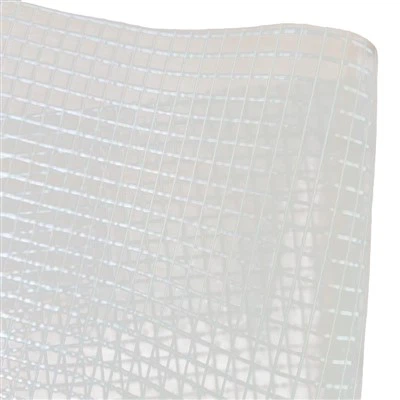
In conclusion, custom printed PVC film offers several advantages over other types of printing materials, including durability, flexibility, print quality, cost-effectiveness, and environmental sustainability. While each printing material has its own unique characteristics and applications, PVC film is a versatile and reliable option for a wide range of projects. Whether you’re looking to create eye-catching banners, informative signs, or custom packaging, custom printed PVC film can provide the solution you need.
PVC Printing Film If you’re interested in learning more about our custom printed PVC film products or have any questions, please don’t hesitate to contact us. Our team of experts is ready to assist you with your printing needs and provide you with a free quote. Let’s work together to create high-quality printed products that meet your specific requirements.
References
- "Printing Materials: A Comprehensive Guide." Printing Industries of America.
- "The Advantages of PVC Film for Printing." Plastics Industry Association.
- "Environmental Impact of Printing Materials." Sustainable Printing Coalition.
Nantong Dahe Composite New Material Technology Co., Ltd.
Address: South Side of Pinghai Highway, Pinghe Village, Dongshe Town, Tongzhou District, Nantong City, Jiangsu Province, China
E-mail: nantongdahe@outlook.com
WebSite: https://www.cndahetech.com/
