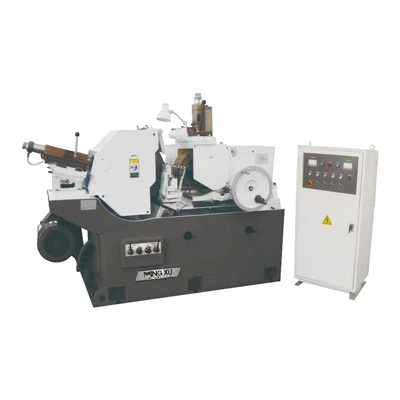
Maintaining a wide-wheel centerless grinder is crucial for ensuring its optimal performance, longevity, and the quality of the work it produces. As a supplier of wide-wheel centerless grinders, I’ve witnessed firsthand how proper maintenance can significantly enhance a machine’s efficiency and reduce downtime. In this blog post, I’ll share some essential tips and best practices for maintaining a wide-wheel centerless grinder. Wide-Wheel Centerless Grinder
1. Regular Cleaning
One of the most fundamental aspects of grinder maintenance is regular cleaning. During the grinding process, metal chips, coolant residue, and abrasive particles accumulate on the machine’s surface, in the coolant system, and around the grinding wheel. This buildup can cause numerous problems, such as reduced machine performance, premature wear of components, and even damage to the workpiece.
- Surface Cleaning: After each use, clean the exterior of the grinder with a soft brush or compressed air to remove loose debris. Use a mild detergent and a clean cloth to wipe down the surfaces, paying special attention to areas prone to coolant and chip accumulation, such as the work rest, regulating wheel, and grinding wheel guards.
- Coolant System Cleaning: The coolant system is vital for keeping the grinding wheel cool and flushing away chips. Over time, the coolant can become contaminated with chips, bacteria, and other impurities, which can affect its performance and cause corrosion in the system. Regularly check the coolant level and quality. Change the coolant according to the manufacturer’s recommendations, and clean the coolant tank, filters, and pumps to prevent clogs and ensure proper circulation.
- Grinding Wheel Cleaning: The grinding wheel should be cleaned regularly to remove built-up debris and maintain its cutting efficiency. Use a wheel dresser to dress the wheel periodically, removing any dull or clogged abrasive grains and restoring the wheel’s shape and sharpness.
2. Lubrication
Proper lubrication is essential for reducing friction, wear, and heat generation in the grinder’s moving parts. Different components of the grinder require different types of lubricants, so it’s important to follow the manufacturer’s lubrication schedule and use the recommended lubricants.
- Spindle Lubrication: The spindle is one of the most critical components of the grinder, and proper lubrication is crucial for its smooth operation. Check the spindle lubrication level regularly and top it up as needed. Use high-quality spindle oil that meets the manufacturer’s specifications to ensure optimal performance and prevent spindle damage.
- Guideways and Slides: The guideways and slides on the grinder allow for precise movement of the work rest, regulating wheel, and grinding wheel. Lubricate these components regularly to reduce friction and ensure smooth, accurate movement. Use a suitable slideway lubricant that provides good anti-wear and anti-corrosion properties.
- Gearboxes and Bearings: The gearboxes and bearings in the grinder transmit power and support the rotating components. Lubricate them according to the manufacturer’s recommendations to prevent premature wear and failure. Use high-quality gear oil and bearing grease to ensure proper lubrication and cooling.
3. Alignment and Calibration
Maintaining proper alignment and calibration of the grinder is essential for achieving accurate and consistent grinding results. Over time, the grinder’s components may shift or become misaligned due to normal wear and tear, vibration, or improper handling. Regularly check and adjust the alignment and calibration of the following components:
- Grinding Wheel and Regulating Wheel: The grinding wheel and regulating wheel must be properly aligned to ensure uniform grinding and prevent workpiece damage. Use a dial indicator to check the alignment of the wheels and make any necessary adjustments.
- Work Rest: The work rest provides support for the workpiece during grinding. It should be adjusted to the correct height and angle to ensure proper contact between the workpiece, grinding wheel, and regulating wheel. Check the work rest alignment regularly and make adjustments as needed.
- Feed and Infeed Systems: The feed and infeed systems control the movement of the workpiece through the grinder. Ensure that these systems are properly calibrated to provide accurate and consistent feed rates and infeed depths. Check the calibration regularly and make any necessary adjustments.
4. Inspection and Maintenance of Electrical Components
The electrical components of the grinder play a crucial role in its operation, and regular inspection and maintenance are essential for ensuring their safety and reliability.
- Electrical Connections: Check all electrical connections regularly for loose wires, corrosion, or damage. Tighten any loose connections and replace any damaged wires or connectors.
- Motors and Drives: Inspect the motors and drives for signs of overheating, vibration, or abnormal noise. Check the motor’s bearings, belts, and pulleys for wear and replace them as needed.
- Control Panel and Sensors: The control panel and sensors on the grinder allow for precise control of the grinding process. Check these components regularly for proper operation and calibration. Replace any faulty sensors or control panel components to ensure accurate and reliable operation.
5. Operator Training and Safety
Proper operator training is essential for ensuring the safe and efficient operation of the wide-wheel centerless grinder. Operators should be trained on the machine’s operation, maintenance procedures, and safety protocols.
- Training Programs: Provide comprehensive training programs for new operators to ensure they have the knowledge and skills necessary to operate the grinder safely and effectively. Refresher training should be provided regularly to keep operators up-to-date on the latest maintenance and safety procedures.
- Safety Equipment: Ensure that operators are provided with and use the appropriate safety equipment, such as safety glasses, gloves, and ear protection. The grinder should be equipped with safety guards and interlocks to prevent accidental contact with moving parts and to protect operators from flying debris.
- Safety Procedures: Establish and enforce strict safety procedures for operating the grinder. These procedures should include proper startup and shutdown procedures, emergency stop procedures, and procedures for handling and storing abrasive wheels and coolant.
6. Preventive Maintenance Schedule
Developing and following a preventive maintenance schedule is the key to keeping your wide-wheel centerless grinder in top condition. A preventive maintenance schedule should include regular inspections, cleaning, lubrication, alignment, and calibration tasks, as well as any recommended component replacements.
- Daily Maintenance: Perform daily maintenance tasks, such as cleaning the grinder’s surface, checking the coolant level, and inspecting the electrical connections.
- Weekly Maintenance: Conduct weekly maintenance tasks, such as lubricating the spindle, guideways, and slides, and checking the alignment of the grinding wheel and regulating wheel.
- Monthly Maintenance: Perform monthly maintenance tasks, such as cleaning the coolant system, inspecting the gearboxes and bearings, and calibrating the feed and infeed systems.
- Annual Maintenance: Carry out annual maintenance tasks, such as replacing the coolant, inspecting and replacing worn components, and performing a comprehensive alignment and calibration of the grinder.
Conclusion
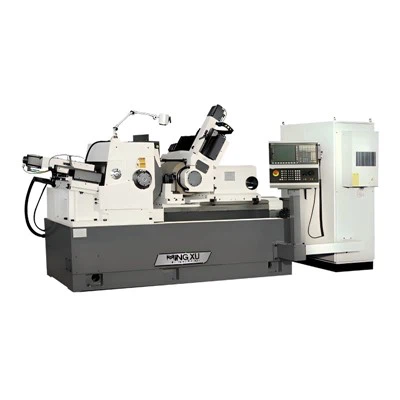
Maintaining a wide-wheel centerless grinder is a complex but necessary task that requires attention to detail, regular maintenance, and proper operator training. By following the tips and best practices outlined in this blog post, you can ensure that your grinder operates at peak performance, produces high-quality work, and has a long service life.
Surface Grinding Machine If you’re in the market for a wide-wheel centerless grinder or need further advice on grinder maintenance, I’d be more than happy to help. Contact us today to discuss your specific requirements and explore how our wide-wheel centerless grinders can meet your needs.
References
- "Centerless Grinding Handbook" – Various industry experts’ contributions on centerless grinding technology and maintenance.
- Manufacturer’s manuals for wide – wheel centerless grinders, providing detailed maintenance guidelines.
- Industry trade magazines and journals focusing on metalworking and grinding technology, offering insights into best maintenance practices.
Wuxi Mingxu Machinery Equipment Co., Ltd.
As one of the most professional wide-wheel centerless grinder manufacturers and suppliers in China, we’re featured by quality products and good price. Please rest assured to buy the best wide-wheel centerless grinder for sale here from our factory. Also, custom service is available.
Address: No. 5-5 Jinke Wealth Plaza, Changjiang North Road, Xinwu District, Wuxi City, Jiangsu Province
E-mail: yingyingmxjd@163.com
WebSite: https://www.mingxu-china.com/
