Hey everyone, it’s Jake from the foam sprayer team here. Quick show of hands—how many of you grab your foam sprayer, fill it up, and dive right into the job without giving gloves a second thought? No judgment if that’s you; I’ve been there too. Last month, I spent an afternoon helping a buddy re-insulate his attic, and halfway through, I realized my hands were covered in that sticky, weirdly resilient foam residue that’s impossible to wash off with regular soap. I was rubbing my hands raw for days after, and that’s when it hit me—this is a question I get literally every week from both homeowners and pros: should I wear gloves when using a foam sprayer? Foam Sprayer
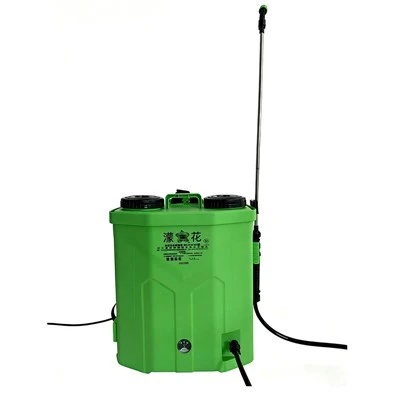
Let’s cut to the chase—no corporate jargon, no fancy bullet points, just the real deal based on what our team sees day in and day out, plus the actual science behind the foam stuff we deal with. First off, not all foam sprayers are created equal, right? We supply two main types: the DIY-oriented low-expansion ones for small home projects like sealing window gaps or insulating a water heater closet, and the professional-grade high-expansion ones for big jobs like insulating whole attics or filling wall cavities. They both use different foam formulas, so the gloves question isn’t a one-size-fits-all answer.
Let’s start with why that foam is such a hassle in the first place. Most spray foam is a two-part chemical reaction, right? It’s isocyanate-based—if you’ve never heard of isocyanates, they’re basically the building blocks that make that foam expand, cure, and harden. Isocyanates are pretty special (read: tricky) chemicals. When they’re in liquid form—meaning right when you’re spraying, before the foam cures—they’re reactive, and they can bond to skin super easily. Once that happens, curing foam doesn’t just wipe off; it actually adheres to your skin, and if you wait too long to clean it, it starts to absorb a tiny bit into your pores? Wait, no—let’s clarify that with actual safety research, because I don’t want to spread misinfo. A quick check with the Occupational Safety and Health Administration (OSHA) and the American Industrial Hygiene Association (AIHA) tells us that liquid isocyanates can cause skin irritation, allergic reactions, and even sensitization if you’re exposed repeatedly. Sensitization is the big scary one—once your body gets used to isocyanates, even tiny future exposures can trigger nasty reactions like rashes, swelling, or even breathing issues if you inhale fumes later.
Now, here’s where it gets personal—our customers’ stories. Last quarter, a pro contractor hit us up super frustrated, saying he skipped gloves on a small job and ended up with a chemical burn on his palm that kept him off work for three days. He said he thought the low-expansion foam was “milder” so he didn’t bother, but turns out even low-expansion formulas have liquid isocyanates during application. On the flip side, we had a homeowner a couple months ago who swore gloves got in the way—she tried using nitrile gloves once, said they tore halfway through spraying, so she went barehanded and only had a tiny patch of residue that came off with rubbing alcohol and a little elbow grease. But she was lucky; residue doesn’t always come off that easy, especially if it’s high-expansion foam that expands and seeps into skin crevices.
So let’s break down the when and why of gloves, based on who you are and what you’re spraying. First, if you’re a DIYer doing a small, low-stakes job—like sealing a ½-inch gap around a window or filling a tiny hole in a floor—do you need gloves? Here’s the thing: low-expansion foam cures pretty fast, usually within 10 to 15 minutes of spraying, and the amount of isocyanate exposure is way lower than pro-grade stuff. But that doesn’t mean zero risk. A lot of DIYers use the cheap, disposable latex gloves from the drugstore, and those are garbage for foam—latex is porous, so liquid isocyanates seep right through. We’ve tested that ourselves: pour a drop of foam mix on a latex glove, wait a minute, and it’s already soaked through to the other side. Nitrile gloves, though? They’re non-porous, chemical-resistant, and way tougher. But even nitrile has a limit—thin nitrile gloves (the ones you get at a doctor’s office) will tear if you’re squeezing a spray wand for 20 minutes straight, which is why we recommend heavy-duty 8-mil nitrile gloves for any job over an hour.
Now, if you’re a pro, or even a DIYer taking on a bigger job—like insulating an attic, sealing a whole basement, or using a sprayer that holds more than a quart of foam—gloves aren’t just a good idea, they should be non-negotiable. We had a customer who’s a full-time home insulation contractor tell us that he used to go barehanded until his forearm got a weird red rash that lasted for weeks. His doc told him it was contact dermatitis from repeated isocyanate exposure, and now he wears two pairs of heavy-duty nitrile gloves—outer pair for handling the sprayer, inner pair for gripping tools—so even if one tears, he’s covered. And here’s a science fact that makes that make sense: the amount of isocyanate that can stick to skin builds up over time. One small job with a pair of cheap gloves might not do much, but if you’re doing 5 jobs a week, that repeated exposure is how sensitization happens.
Wait, but what about the argument that gloves make it hard to handle the sprayer? I get it—when you’re trying to line up a nozzle with a tiny gap, fumbling with thick gloves is the last thing you want. That’s why we actually recommend testing gloves before you start the job. Pick a pair that’s snug but not tight, so you can still feel what you’re doing. We supply a line of custom-fitted nitrile gloves that our team swears by—they’re designed to grip sprayer wands and trigger locks without being bulky, so you don’t have to choose between safety and functionality. I once saw a homeowner use dish gloves for a small job, and those worked too—thick, rubber, no tears, and easy to grip. The key is not the brand, but that the glove is chemical-resistant and intact.
Another thing I get asked all the time: what if I do get foam on my skin even with gloves? First, don’t panic—don’t try to peel it off right away, that’ll only make it worse. The AIHA says the best way to remove uncured foam is to wipe it off immediately with a lint-free cloth soaked in isopropyl alcohol (90% or higher) or a commercial foam residue remover—soap and water won’t cut it, as we found out when I rubbed my hands raw in that attic. If the foam’s already started to cure, you might need to soak your hands in warm, soapy water for 10 minutes, then gently scrub with a soft brush—don’t use anything abrasive, that’ll irritate your skin. If you get a rash or swelling after exposure, hit up a doc, especially if it’s your first time reacting.
Now, let’s talk about myths, because there’s a lot of garbage info online about spray foam. One myth is that once foam cures, it’s totally harmless. That’s half true—once it’s fully cured (usually 24 hours after spraying), the isocyanates are gone, so it’s safe to touch. The problem is during application, when it’s wet. Another myth is that if you’re wearing long sleeves, you don’t need gloves. No way—foam drips, and it can get on your wrists, forearms, even your neck if you’re leaning up into a gap. Skin is skin, no matter where it is. And a lot of people think “I’ll just wash my hands later” but by the time you’re done with the job, that foam’s already started to cure, and it’s way harder to remove.
Here’s the real kicker: we’ve been selling foam sprayers for over 10 years now, and we’ve seen almost every mistake people make. The biggest one is taking safety for granted because it feels like a casual DIY job. We once had a guy come back to us saying his sprayer’s nozzle was clogged, and when he tried to clear it with a screwdriver, he got foam in his eye. Thank god he wore goggles too (side note: always wear goggles, that’s another blog post for another day), but he skipped gloves and the foam got on his hand, leading to a two-day trip to the urgent care. That could’ve been avoided with a single pair of nitrile gloves.
Wait, but should you always wear gloves? Let’s wrap this up with a clear, actionable answer, not just vague “it depends.” For any job where you’re spraying foam that’s not fully cured—so every second you’re using the sprayer—yes, you should wear gloves. The only exception would be a tiny, 5-minute job where you can keep zero foam on your hands and immediately clean if you do get any, but even then, it’s a risk. We had a new intern here test that once (don’t worry, he’s fine) and he got a tiny bit of foam on his finger, and by the time he ran to get alcohol, it had already started to harden. He spent an hour picking at it, and his finger was sore for two days.
Now, if you’re reading this and thinking “wait, I need the right gloves for my foam sprayer,” or “I have questions about safe application for my project,” we’re here to help. We don’t push fancy overpriced gear—we recommend what’s actually worked for our customers, from DIYers with one-off jobs to pros who do 20 jobs a month. Our team’s got years of hands-on experience with every type of foam sprayer and formula, so we can help you pick the right gloves, adjust your spray technique to minimize mess, or even troubleshoot if you’ve had a bad experience with foam on your skin.
At the end of the day, this isn’t about scaring you—its about keeping you safe so you can get your job done right without ending up sore or sidelined. Spray foam is an amazing, versatile product that makes sealing, insulating, and repairing way easier than old methods, but it has a learning curve when it comes to safety. Gloves are a small, cheap step that pays off big time in avoiding hassle, injury, and wasted time scrubbing your hands.

If you’re ready to pick out a foam sprayer for your next project, or you have questions about safe application, our team’s here to chat. No pushy sales pitches, no confusing jargon—just real advice from people who use and sell these products every single day. Hit us up to connect, and let’s make your next foam project a safe, smooth one.
Foam Sprayer References
Occupational Safety and Health Administration. (2022). Isocyanate Safety in Construction.
American Industrial Hygiene Association. (2021). Spray Foam Application Best Practices.
National Spray Foam Association. (2023). Safe Handling of Low-Expansion Spray Foam.
Zhejiang Menghua Sprayer Co., Ltd.
As one of the most experienced foam sprayer manufacturers in China, we have world-leading production equipment and strong manufacturing capabilities. Please feel free to buy advanced foam sprayer for sale here from our factory. For price consultation, contact us.
Address: No.5, Houshi Road, Beicheng Street, Huangyan District, Taizhou, Zhejiang
E-mail: sales@menghua-sprayer.com
WebSite: https://www.menghua-sprayer.com/
