Yo, what’s up everyone! I’m part of a specimen preparation supplier, and let me tell you, specimen preparation ain’t no walk in the park. There are a whole bunch of challenges that we face on a regular basis. In this blog, I’m gonna break down some of these challenges and give you a real – world look at what goes on behind the scenes of specimen preparation. Specimen Preparation

1. Sample Integrity
One of the biggest headaches we deal with is maintaining the integrity of the samples. You see, specimens can come from all sorts of places – plants, animals, humans, and even environmental sources. Each type of sample has its own set of requirements to keep it in good shape.
Take biological samples, for example. They’re super sensitive. If you don’t handle them right from the get – go, you can mess up the whole analysis. Temperature is a huge factor. Most biological specimens need to be kept at low temperatures to slow down the natural degradation processes like enzyme activity and microbial growth. But getting the temperature just right is tricky. You can’t just stick them in any old fridge. Some samples need to be stored at – 80°C or even colder in liquid nitrogen. And if there’s a power outage in the storage facility or a malfunction in the cooling system, the samples can be ruined.
Contamination is another biggie. During the collection process, samples can easily pick up unwanted stuff from the environment. Even tiny bits of dust or bacteria can skew the results of the analysis. And then there’s cross – contamination. If you’re preparing multiple samples at once, and you don’t use proper aseptic techniques, one sample can contaminate another. This is a real pain because it means you might have to discard the contaminated samples and start all over again.
2. Standardization
In the world of specimen preparation, standardization is key. Different clients, whether they’re research labs, pharmaceutical companies, or universities, often have different requirements and standards. Some might follow international guidelines, while others have their own in – house protocols.
For instance, the way we prepare a tissue sample for microscopy can vary wildly depending on who’s asking. One client might want a certain thickness for the tissue slices, while another might prefer a different staining method. Trying to keep up with all these different standards is like trying to juggle a dozen balls at once.
Moreover, standardizing the equipment and reagents we use is also a challenge. There are so many different brands and types of equipment out there, and each one can give slightly different results. We have to test and validate each new piece of equipment to make sure it fits within our clients’ standards. And when it comes to reagents, the quality can vary from batch to batch. We need to constantly monitor and control the quality of these reagents to ensure consistent results.
3. Time Constraints
Time is always a scarce resource in our line of work. Clients often have tight deadlines, especially when they’re working on important research projects or clinical trials. We have to balance the need for quality with the pressure to deliver the prepared specimens on time.
The specimen preparation process itself can be pretty time – consuming. For example, preparing a complex histological sample might involve multiple steps like fixation, dehydration, clearing, and embedding. Each step takes a certain amount of time, and you can’t rush them without compromising the quality of the sample.
Sometimes, we also have to deal with last – minute requests from clients. They might suddenly need a large number of specimens prepared in a very short period. This can throw off our entire schedule and put a lot of stress on our team. We have to scramble to re – allocate resources and work overtime to meet these unexpected demands.
4. Skill and Training
Preparing specimens requires a high level of skill and expertise. Our technicians need to know how to handle a wide range of equipment and chemicals safely and effectively. They also need to have a good understanding of the biological or chemical principles behind the specimen preparation process.
However, finding skilled workers in this field is not easy. There aren’t a whole lot of training programs specifically focused on specimen preparation. And even when we hire someone with some basic knowledge, they still need a lot of on – the – job training to become proficient.
Training new employees takes time and resources. We have to provide them with hands – on experience, teach them about the different protocols and standards, and make sure they understand the importance of quality control. And as new technologies and techniques emerge in the field, we need to keep our existing employees up – to – date with the latest developments. This means investing in continuous training and professional development, which can be costly for our company.
5. Cost Management
Cost is always a major concern for any business, and our specimen preparation business is no exception. There are so many different costs involved in the process, from the cost of the samples themselves to the cost of equipment, reagents, and labor.
The cost of samples can vary widely depending on their source and availability. Some rare or hard – to – obtain samples can be extremely expensive. And if we make a mistake during the preparation process and ruin the sample, we have to bear the cost of getting a new one.
Equipment is another big cost factor. High – quality microscopes, centrifuges, and other specialized equipment can cost a fortune. And on top of the initial purchase cost, there are also ongoing maintenance and repair costs. Reagents can also be quite pricey, especially the ones that are of high – purity or have specific chemical properties.
We also need to manage our labor costs effectively. As I mentioned earlier, specimen preparation requires skilled workers, and skilled labor comes at a price. We have to pay our employees competitive salaries to attract and retain the best talent. At the same time, we need to make sure that our pricing is competitive in the market so that we can win new clients.
6. Regulatory Compliance
The specimen preparation industry is heavily regulated, especially when it comes to handling biological samples. There are a whole bunch of laws and regulations at the local, national, and international levels that we need to comply with.
For example, if we’re working with human samples, we have to follow strict ethical guidelines and obtain the necessary informed consents from the donors. We also need to ensure that the samples are stored and transported in a way that protects the privacy and confidentiality of the donors.
There are also regulations regarding the disposal of waste materials. Biological waste can be hazardous, and we need to follow proper procedures to ensure that it’s disposed of safely. Failure to comply with these regulations can result in hefty fines and damage to our company’s reputation.
Wrapping It Up
So, as you can see, there are a ton of challenges in specimen preparation. But despite all these difficulties, we’re committed to providing high – quality specimen preparation services to our clients. We’re constantly working on improving our processes, investing in new technologies, and training our employees to overcome these challenges.
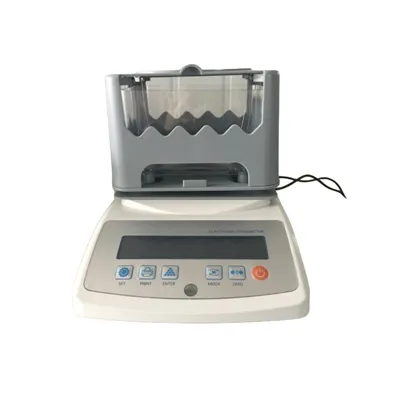
Testing Machine If you’re in the market for specimen preparation services, we’d love to hear from you. Whether you’re a small research lab or a large pharmaceutical company, we have the expertise and resources to meet your needs. Just reach out to us, and we can start a conversation about how we can help with your specimen preparation requirements.
References
- Alberts, B., Johnson, A., Lewis, J., Raff, M., Roberts, K., & Walter, P. (2002). Molecular Biology of the Cell. Garland Science.
- Kiernan, J. A. (2008). Histological and Histochemical Methods: Theory and Practice. Oxford University Press.
- Pfaller, M. A., & Diekema, D. J. (2007). Antifungal Susceptibility Testing: Practical Aspects and Current Challenges. Clinical Infectious Diseases, 44(12), 1554 – 1561.
Yangzhou Zhengyi Testing Machinery Co., Ltd.
As one of the most professional specimen preparation manufacturers and suppliers in China, we warmly welcome you to buy customized specimen preparation at competitive price from our factory. If you have any enquiry about quotation, please feel free to email us.
Address: No. 66 Zhenxing North Road, Zhenwu Town, Jiangdu District, Yangzhou City, Jiangsu Province
E-mail: 13813156012@163.com
WebSite: https://www.cnzhengyi.com/
