Optimizing the layout of pellet line accessory equipment in a production workshop is a crucial task that can significantly enhance productivity, efficiency, and safety. As a supplier of pellet line accessory equipment, I have witnessed firsthand the impact that a well – designed layout can have on a production process. In this blog, I will share some key strategies and considerations for optimizing the layout of such equipment. Pellet Line Accessory Equipment

Understanding the Goals of Layout Optimization
Before diving into the details of layout design, it’s essential to understand the primary goals. The main objectives typically include maximizing space utilization, minimizing material handling, improving workflow, and ensuring worker safety. A well – optimized layout can reduce production lead times, lower operating costs, and increase overall output quality.
Space Utilization
In many production workshops, space is a valuable commodity. Efficient use of floor space can prevent overcrowding and allow for future expansion. When planning the layout of pellet line accessory equipment, consider the size and shape of each machine. Grouping similar or complementary equipment together can help save space. For example, if you have multiple conveyors, arrange them in a way that minimizes the distance between the in – feed and out – feed points.
Material Handling
Minimizing the distance that raw materials and finished products travel within the workshop is crucial. This can be achieved by carefully positioning equipment in a sequential flow. For pellet line accessory equipment, the layout should ensure that materials move smoothly from one process to the next. For instance, if you have a pellet cooler and a pellet screening machine, place them adjacent to each other to reduce the need for long conveyor runs or manual handling.
Workflow Improvement
A logical workflow is essential for efficient production. The layout should be designed to guide workers and materials through the production process in an organized manner. Consider the order of operations in the pellet production line. Start with the equipment required for raw material input, such as a feeder, and then progress through the various processing steps, like the pellet mill, and end with the equipment for final product handling, such as a packaging machine.
Worker Safety
Safety should always be a top priority. The layout should provide adequate space for workers to move around equipment safely. There should be clear walkways and emergency exits. Additionally, equipment should be installed in a way that minimizes the risk of injuries, for example, by ensuring that moving parts are properly guarded.
Analyzing the Production Process
To optimize the layout, a thorough analysis of the production process is necessary. This involves identifying each step in the pellet production and the role of the accessory equipment at each stage.
Mapping the Process
Create a detailed flowchart of the pellet production process. Include all the accessory equipment, such as mixers, granulators, and dryers. Note the input and output requirements of each piece of equipment, as well as the flow of materials and energy. This map will serve as a visual guide for layout planning.
Identifying Bottlenecks
Look for bottlenecks in the production process. These are points where the flow of materials or work slows down, often due to equipment limitations or inefficient layout. For example, if a particular conveyor is constantly overloaded, it may be a sign that the layout needs adjustment to better distribute the workload.
Assessing Equipment Compatibility
Ensure that all the pellet line accessory equipment is compatible with each other. For example, the output capacity of a feeder should match the input requirements of a pellet mill. Incompatible equipment can lead to production inefficiencies and breakdowns.
Layout Design Strategies
U – shaped Layout
A U – shaped layout is often a good choice for pellet line accessory equipment. In this layout, the equipment is arranged in a U – shape, with the raw material input at one end and the finished product output at the other. This allows for a compact design while still maintaining a logical workflow. Workers can easily access all parts of the equipment, and materials can flow smoothly through the production process.
Island Layout
The island layout involves grouping related equipment together into “islands.” Each island can focus on a specific stage of the production process, such as pre – processing or final finishing. This layout can be beneficial for large – scale production workshops, as it allows for greater flexibility and easier management of different production lines.
Linear Layout
A linear layout arranges the equipment in a straight line. This is a simple and straightforward design that is suitable for small – scale production or when space is limited. However, it may not be as efficient for larger production volumes, as it can lead to longer material handling distances.
Considering Equipment Maintenance
Proper maintenance of pellet line accessory equipment is essential for long – term productivity. The layout should take into account the ease of maintenance.
Accessibility
Ensure that all equipment is easily accessible for routine maintenance, inspections, and repairs. There should be enough space around each machine for technicians to work comfortably. Avoid placing equipment in corners or tight spaces where it may be difficult to reach.
Service Areas
Designate specific service areas in the workshop. These areas should be equipped with the necessary tools and equipment for maintenance, such as hoists, wrenches, and spare parts storage. Keeping the service areas organized can reduce downtime during maintenance operations.
Equipment Placement and Upgrades
When planning the layout, consider future equipment upgrades or replacements. Allow for enough space around each machine to accommodate larger or more advanced models in the future. This can save time and money in the long run, as it eliminates the need for major layout redesigns when upgrading equipment.
Incorporating Safety Features
As mentioned earlier, safety is paramount in a production workshop. The layout should be designed with multiple safety features.
Guarding and Barriers
Install proper guarding around all moving parts of the equipment. This can prevent workers from accidentally coming into contact with dangerous machinery. Additionally, use barriers to separate different work areas, such as the area where raw materials are stored from the production area.
Lighting and Signage
Ensure that the workshop is well – lit, especially around the equipment. Good lighting can help workers see potential hazards and perform their tasks more safely. Use clear signage to mark walkways, emergency exits, and areas with specific safety instructions.
Safety Training Areas
Allocate areas in the workshop for safety training. This can help new workers understand the hazards associated with the equipment and learn how to operate it safely.
Communicating with the Client
As a pellet line accessory equipment supplier, it’s important to communicate effectively with the client throughout the layout optimization process.
Consultation
Engage in in – depth consultations with the client to understand their specific production needs, goals, and constraints. This includes discussing the size of the workshop, the expected production volume, and any unique requirements they may have.
Presentation
Present the proposed layout design to the client in a clear and understandable manner. Use visual aids, such as 3D models or floor plans, to help them visualize the changes. Explain how the layout will contribute to their production goals, such as increased efficiency and reduced costs.
Feedback
Be open to the client’s feedback. They may have valuable insights based on their on – site experience. Incorporate their suggestions into the layout design whenever possible.
Conclusion
Optimizing the layout of pellet line accessory equipment in a production workshop is a multi – faceted process that requires careful planning, analysis, and consideration of various factors. By focusing on space utilization, material handling, workflow improvement, worker safety, and equipment maintenance, you can create a layout that enhances productivity and efficiency.
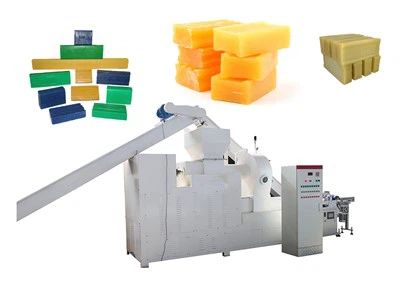
As a supplier of pellet line accessory equipment, I am committed to helping you achieve the best possible layout for your production workshop. If you are interested in learning more about how our equipment can be integrated into an optimized layout or have any questions regarding the layout design process, please feel free to reach out. Let’s work together to take your production to the next level.
Food Processing Machine References
- Groover, M. P. (2018). Automation, Production Systems, and Computer – Integrated Manufacturing. Pearson.
- Chua, C. K., & Goh, M. L. (2002). Facilities Planning. World Scientific Publishing.
- Sanders, N. R., & Terpend, R. (2019). Operations Management. Wiley.
Zhengzhou Fanda Machinery Co., Ltd.
Zhengzhou Fanda Machinery Co., Ltd. is one of the most professional pellet line accessory equipment manufacturers and suppliers in China. Feel free to buy cheap pellet line accessory equipment for sale from our factory and check the price with us.
Address: Zhisi Road, Zhongyuan District, Zhengzhou, Henan, China.
E-mail: vincenthan@fandamachinery.com
WebSite: https://www.fandapelletmill.com/
