Crane, a majestic and powerful machine, is not only a crucial tool in modern construction but also a significant element deeply embedded in the cultural heritage of various regions around the world. As a crane supplier, I’ve had the privilege of witnessing firsthand how these colossal machines contribute to the growth and transformation of cities. However, their impact extends far beyond the realm of engineering and construction; they carry historical, symbolic, and social meanings that reflect the unique identities of different cultures. Crane

Cranes in Historical Construction
Throughout history, cranes have been indispensable in the construction of monumental structures that define the cultural heritage of a region. In ancient civilizations such as Egypt, Greece, and Rome, simple yet effective crane – like devices were used to build iconic buildings and monuments. The Egyptians, for example, are believed to have used cranes or similar lifting mechanisms to move the massive stone blocks for the construction of the pyramids. These structures, standing for thousands of years, are not only feats of engineering but also symbols of Egyptian civilization, representing their religious beliefs, social hierarchy, and technological prowess.
In medieval Europe, cranes played a vital role in the construction of cathedrals. The soaring spires and grand facades of these religious buildings were made possible with the help of cranes. Architects and builders had to develop innovative crane designs to lift heavy building materials to great heights. The construction of these cathedrals often took decades, if not centuries, and the cranes became an integral part of the building process, as well as a symbol of the community’s dedication to their faith and their ability to achieve great things through collective effort.
In Asia, cranes were used in the construction of temples, palaces, and city walls. For instance, in China, traditional wooden cranes were employed in the building of the Great Wall. The construction of this massive fortification over thousands of kilometers required the movement of large amounts of stones, bricks, and other materials. The cranes used in this process were a testament to the ancient Chinese people’s engineering skills and their determination to protect their territory. These historical buildings, preserved to this day, are a source of national pride and a window into China’s rich cultural heritage.
Symbolism of Cranes in Different Cultures
Beyond their practical use in construction, cranes hold deep symbolic meanings in various cultures. In many Asian cultures, the crane is a symbol of longevity, good fortune, and peace. In Japan, the crane is one of the most revered symbols. The legend of the thousand paper cranes, or "senbazuru," is well – known. It is believed that if a person folds a thousand origami cranes, they will be granted a wish. This tradition reflects the Japanese people’s hope for health, happiness, and a better future. Cranes are also often depicted in Japanese art, literature, and festivals, adding to their cultural significance.
In Chinese culture, the crane is associated with immortality and is often depicted in traditional Chinese paintings alongside other symbols of longevity, such as pine trees and turtles. The crane’s elegant and graceful appearance is admired, and it represents the ideal of a noble and virtuous person. In Korean culture, cranes are seen as messengers between heaven and earth, and they are often featured in traditional folk tales and dances.
In Western cultures, the crane can symbolize progress and development. The sight of cranes dotting the skyline of a city is often associated with urban growth, modernization, and economic prosperity. They represent the ability of humans to reshape the environment and build a better future. In some cases, cranes are also used as a symbol of industry and innovation, highlighting the role of technology in driving social and economic change.
Social and Community Impact
Cranes also have a significant social and community impact in regions with a rich cultural heritage. In many cities, the construction sites with cranes become gathering places for the local community. People stop to watch the massive machines in action, and it can be a source of excitement and wonder, especially for children. The construction of new buildings, whether it’s a museum, a cultural center, or a historic renovation project, often has a positive impact on the local community, attracting visitors, creating jobs, and enhancing the overall quality of life.
Cranes are also involved in the preservation and restoration of historical buildings. When these ancient structures need repairs or renovations, modern cranes are used to carefully lift and replace damaged parts without causing further harm. This not only helps to maintain the physical integrity of the buildings but also ensures that the cultural heritage they represent is passed down to future generations.
In addition, the crane industry itself can become an important part of a region’s cultural identity. Local crane operators, engineers, and technicians develop unique skills and knowledge over generations, which are often passed down within families or through apprenticeship programs. These traditions and skills contribute to the region’s cultural diversity and economic development.
Our Role as a Crane Supplier
As a crane supplier, we play a crucial role in supporting the cultural heritage of regions around the world. We provide high – quality cranes that are essential for the construction, preservation, and restoration of historical and cultural buildings. Our cranes are designed to meet the specific needs of different projects, whether it’s a large – scale urban development or a delicate historical renovation.
We understand the importance of cultural heritage and are committed to providing solutions that not only meet the technical requirements but also respect the historical and cultural context of each project. Our team of experts works closely with architects, contractors, and conservationists to ensure that our cranes are used in a way that minimizes the impact on the cultural significance of the sites.
Moreover, we are dedicated to promoting innovation and safety in the crane industry. We invest in research and development to improve the performance and efficiency of our cranes, while also ensuring the highest standards of safety. By doing so, we contribute to the sustainable development of the construction industry and the preservation of cultural heritage.
Conclusion
In conclusion, cranes play a multi – faceted role in the cultural heritage of a region. From their historical use in constructing iconic buildings to their symbolic meanings in different cultures, and their social and community impact, cranes are more than just machines. They are an integral part of the cultural fabric of a region, representing its history, values, and aspirations.
As a crane supplier, we take great pride in being part of this rich cultural tapestry. Our commitment to providing high – quality cranes and innovative solutions is driven by our desire to contribute to the preservation and enhancement of cultural heritage around the world.
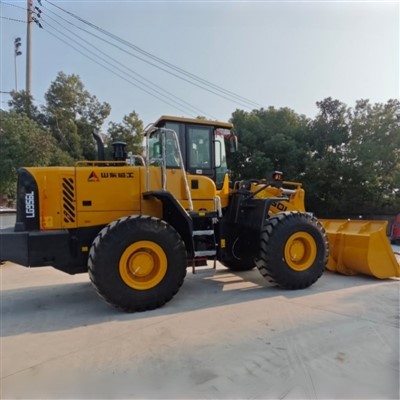
Wheeled Excavator If you are involved in a construction project that requires cranes, whether it’s a new building in a modern city or the restoration of a historical landmark, we would be delighted to discuss your needs. Contact us to explore how our cranes can help you achieve your goals while respecting the cultural heritage of your region.
References
- Bond, George. "Historical Engineering in Ancient Societies." Oxford University Press, 2015.
- Suzuki, Aiko. "Symbols and Meanings in Japanese Culture." Kyoto Publishing, 2018.
- Wang, Li. "Traditional Chinese Architecture and Its Construction Techniques." Beijing Press, 2012.
- Brown, Peter. "The Role of Industry in Urban Development." Harvard Business Review, 2020.
Shandong Xinyang Special Purpose Vehicle Manufacturing Co., Ltd.
As one of the most professional crane manufacturers and suppliers in China, we’re featured by quality products and good price. Please rest assured to buy cheap crane made in China here from our factory. Contact us for more details.
Address: Quanpu Industrial Park, Liangshan County, Jining City, Shandong Province.
E-mail: ensonzhouau@gmail.com
WebSite: https://www.trustmytruck.com/
