As a supplier in the transfer case chain industry, I’ve had my fair share of chats and consultations with off – road enthusiasts, mechanics, and vehicle manufacturers. One common question that often pops up is the difference between single – row and multi – row transfer case chains. So, in this blog, I’ll chew that fat and break down the nitty – gritty of these two types of chains. Transfer Case Chain
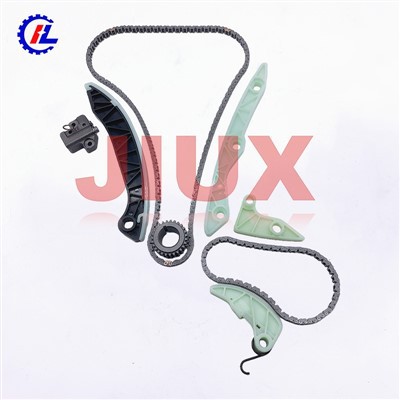
Let’s start with the single – row transfer case chains. Picture it like a lone warrior on a mission. It’s a simple, straightforward design that has one continuous row of links. These chains are light on the wallet compared to their multi – row counterparts. That’s a big draw for budget – conscious customers or projects where cost – control is a top priority.
Another great thing about single – row chains is their simplicity. They have fewer parts, which means there’s less to go wrong. When it comes to maintenance, it’s a piece of cake. Mechanics love them because they’re easy to work on and don’t require a ton of specialized tools. You can usually swap out a single – row chain in your garage with basic hand tools.
But don’t think they’re all sunshine and rainbows. Single – row chains do have their limitations. In terms of strength, they’re not the Hulk. They’re better suited for lighter – duty applications. For vehicles that are mainly used for daily commuting or light off – roading, single – row chains can handle the job. But if you’re putting your vehicle through some serious off – road abuse, like rock crawling or heavy towing, a single – row chain might start to show signs of wear and tear pretty quickly.
The load – bearing capacity is also on the lower side. The single row of links can only take so much stress. If you overload a single – row chain, it could stretch or even break, leaving you in a real pickle. And let’s talk about durability. Since they have a smaller contact area with the sprockets, they tend to wear out faster, especially in high – stress situations.
Now, let’s shift our focus to multi – row transfer case chains. These bad boys are like an elite squad. They’re made up of multiple rows of links running side by side. The most common are double – row and triple – row chains, but you can even find more complex designs.
The biggest advantage of multi – row chains is their strength. With more links sharing the load, they can handle a whole lot more stress. This makes them a no – brainer for heavy – duty applications. If you’ve got a big, burly truck that’s used for towing large trailers, hauling heavy loads, or going on extreme off – road adventures, a multi – row chain is what you need. It can take the punishment and keep on ticking.
Durability is another area where multi – row chains shine. The increased contact area with the sprockets means less wear per link. This results in a longer lifespan, which is a huge plus, especially for commercial vehicles or vehicles that are used intensively. They also offer better power transmission efficiency. With more links engaged with the sprockets at any given time, there’s less slippage, ensuring that the power from the engine gets transferred smoothly to the wheels.
However, multi – row chains aren’t without their downsides. First off, they’re more expensive. The additional materials and manufacturing complexity drive up the cost. This can be a deal – breaker for some customers, especially those on a tight budget.
Maintenance can also be a bit of a pain. With more parts, there’s more to inspect and potentially replace. You might need some specialized tools for the job, and it could take longer to install or remove a multi – row chain compared to a single – row one.
When it comes to choosing between single – row and multi – row transfer case chains, it really boils down to your specific needs. If you’re driving a compact SUV or a regular sedan that rarely sees rough terrain, a single – row chain is probably the way to go. It’s cost – effective, easy to maintain, and can handle the normal wear and tear of daily driving.
On the other hand, if you’re an off – road junkie with a monster truck or you’re running a commercial fleet that tows heavy loads, a multi – row chain is your best bet. The extra strength and durability will pay off in the long run, even though it might cost you more upfront.
As a transfer case chain supplier, I’ve seen the impact of choosing the right chain firsthand. A proper chain can enhance the performance and reliability of your vehicle, while the wrong one can lead to costly breakdowns and headaches. That’s why I’m always here to help you make the best decision for your situation.
Whether you’re a DIY mechanic looking to upgrade your vehicle, a professional in the automotive industry, or a vehicle manufacturer in need of high – quality transfer case chains, I’d love to have a chat with you. I can provide you with detailed information, answer any questions you might have, and help you find the perfect chain for your application.

If you’re interested in learning more about our products, or if you’re ready to start your procurement process, don’t hesitate to reach out. We pride ourselves on offering top – notch transfer case chains that meet the highest standards of quality and performance.
Fit for HONDA References
- Automotive Chassis Systems, Third Edition, by Thomas D. Gillespie
- The How and Why of Automotive Mechanical Components, by Rick Muscoplat
Huzhou Hongli Auto Parts Co., Ltd.
With abundant experience, we are one of the most professional transfer case chain manufacturers in China. Please rest assured to buy customized transfer case chain at competitive price from our factory. If you have any enquiry about cooperation, please feel free to email us.
Address: Building 16, No.50 / Building 18, No.58, Dadongwu, Lianshi Town, Nanxun District, Huzhou, Zhejiang, China
E-mail: jiux@timingkit.cn
WebSite: https://www.jiuxkit.com/
