Hey there, if you’re in the process of building a brand-new production facility—congrats, that’s a huge win! But let’s be real, the part that’s probably keeping you up at 2 a.m. right now is picking the right automation solutions. Mess this up, and you’re looking at costly bottlenecks, downtime, or even missed launch windows. Nail it, and you’ll have a facility that runs like a well-oiled (pun absolutely intended) machine from day one. I work with folks every single day who are deep in this exact boat, so let’s cut the jargon and get into the real, actionable stuff that doesn’t require a PhD in robotics to follow. Automation And Production Solutions
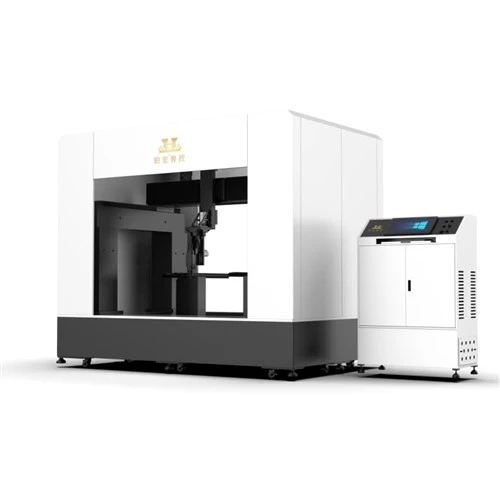
First off, stop jumping straight to flashy robots or the coolest AI tool you saw at a trade show. I see this all the time: a project lead gets excited about a demo of a fancy collaborative robot (cobot) that can move a mini fridge across a table, and suddenly they’re ordering 20 of them without a single thought about their actual production needs. For a new facility, automation isn’t about showing off—it’s about solving specific, real problems that will exist for your line, not the one in the trade show video.
Start with the basics that most people skip: map your end-to-end production workflow before you even look at any vendors (that’s us, by the way, but we’ll get to that). Grab your operations team, line leads, maintenance folks, and even the folks on the warehouse floor who’ll be handling finished goods. Walk through every single step—from raw material unloading to packaging to shipping. What’s the bottleneck everyone complains about in your old facility (if you have one)? Or, if this is a greenfield site, what’s the output target per shift, per hour, per day that you need to hit to be profitable? Let’s say you’re making 500 units of a small appliance every hour. That’s your non-negotiable number. Now, what tasks in that workflow are repetitive, repetitive, repetitive? The ones where humans get tired, make mistakes, or can’t work 24/7? That’s where automation makes sense. Not the one-off task where a single employee can nail it faster than any robot. We had a customer a few months back who tried to automate their custom engraving step, thinking it would save time. Turned out, that step only took a human 10 seconds per unit, and a robot took 25—total waste of money. Don’t be that person.
Next up, factor in your long-term growth, not just today’s plan. New facilities often have a 5, 10, even 15-year timeline, right? If you pick automation that’s way too rigid now, you’ll be stuck when you want to expand your product line or ramp up output in a year or two. I’m not talking about buying so flexible that it does nothing well—balance is key. For example, if you’re building a snack production line that might add a new chip flavor in two years, don’t lock yourself into a system that can only handle one type of product. Look for automation that’s modular, or at least has the option to reconfigure later without a full tear-out. We worked with a craft cookie startup last year who knew they’d start with two cookie varieties, then add three more in 18 months. We designed their line with scalable conveyors and quick-change tooling for their depositors, so when they were ready, it took them two days to add the new recipes instead of two weeks. That’s the kind of long-term thinking that saves you big bucks down the line.
Now, let’s talk about the elephant in the room: team buy-in. Wait, what? Automation isn’t just about machines—it’s about the humans who have to run, maintain, and work alongside them. If your team is scared that automation will take their jobs, they’ll find ways to make it fail, plain and simple. Early on, bring your operations and maintenance leads into the conversation. Ask them: what kind of technology do you already know how to use? If most of your guys have never programmed a cobot, don’t go with a system that requires a master’s degree in robotics to operate. Look for intuitive, user-friendly interfaces—things like touchscreens, drag-and-drop programming, or even voice commands now, that’s way easier to train a team on. We offer 2-day on-site training for all our systems, not just a 2-hour Zoom call, because we’ve seen firsthand that if the team feels confident, they’ll embrace the automation instead of resenting it. Plus, cross-training is a win: one of our customers uses their line operators to do basic robot troubleshooting, so their team has new skills, and downtime gets fixed faster.
Another big one: don’t sleep on integration. Your new facility doesn’t exist in a bubble. It needs to talk to your ERP system (the one you use for inventory, orders, billing), your warehouse management system (WMS), maybe even quality control tools. If you pick automation solutions from 5 different vendors that don’t play nice together, you’ll end up with data silos, a team spending half their day manually inputting numbers, and endless headaches when something breaks. We do end-to-end integration for all our automation setups—we make sure every machine on your line, your ERP, and your WMS are connected, so data flows seamlessly. That means less manual work, fewer errors, and real-time visibility into your production. For example, if an order comes in that needs 100 units shipped by end of day, the system automatically adjusts the line’s output, and your inventory updates without anyone having to lift a finger.
Budget is obviously a factor, but let’s be smart about it. I see companies split their budget wrong all the time: blowing half the cash on a super fancy robot arm, then skimping on the conveyor system or maintenance tools that actually keep the whole line running. Automation isn’t just the shiny parts—it’s the entire ecosystem. When you’re pulling numbers, don’t just look at the upfront cost. Factor in total cost of ownership (TCO) over 5 or 10 years. That includes maintenance costs, energy use, training, downtime, and how much it will save you on labor, errors, and waste. A slightly more expensive system that uses less energy, needs fewer repairs, and reduces product waste by 10% will almost always beat a cheap one that breaks every other week. We’re transparent about TCO with every customer—we’ll show you a breakdown of exactly where your money goes, so you don’t get hit with surprise costs a year later.
Now, when you’re vetting suppliers (hi, that’s us!), don’t just go with whoever gives you the lowest quote or the flashiest website. Look for experience in your specific industry. Making pharmaceuticals is way different than making auto parts, which is way different than making food and beverage. A supplier who’s worked with 10 other food production facilities will know about things like washdown requirements, allergen separation, and FDA compliance, which a supplier who only works with electronics might miss. Ask for references from new facilities that are similar to yours. Call those references—don’t just take the “case study” at face value. Ask them: how did the supplier handle delays when the project went sideways? How long did it take to get up and running? Did the training actually work for their team? We have a long list of happy customers, but we’ll never hide from you that every project has its hurdles—what matters is how we work through them together.
Let’s also talk about risk and support. When you’re launching a new facility, downtime is the enemy. If a machine breaks at 2 a.m. on a Friday, you need a supplier who will answer the phone, not make you wait until Monday morning. Look for a supplier that offers 24/7 support, has local technicians (or at least a way to get someone on-site fast), and offers proactive maintenance checks, not just reactive fixes. We do monthly virtual check-ins with every customer’s line, so we can spot small issues before they become big ones. Last quarter, we noticed a sensor on a snack line in Texas was acting up, before it caused a full shutdown. We sent a technician there the next day, fixed it in 2 hours, and saved them from losing $15,000 in production that shift. That’s the kind of support you can’t put a price on.
Wait, and let’s touch on something that’s been huge lately: sustainability. A lot of new production facilities are prioritizing lower carbon footprints, and automation can help with that, if you pick the right stuff. Energy-efficient motors, optimized production lines that reduce waste, right-sizing your automation so you’re not running machines faster than they need to be—all that adds up. For example, we worked with a cold brew coffee producer who wanted to reduce their energy use by 20%. We designed their line with variable speed conveyors that only run as fast as they need to, plus energy-efficient cooling systems for the cans. They hit their 20% goal within the first 6 months, and also reduced their product waste by 8% because the automation handles the cans more gently than manual labor. That’s a win for their bottom line and the planet, which is a double win.
Let’s recap, so you don’t have to scroll back: when picking automation for your new production facility, 1) Map your full workflow first, don’t start with equipment. 2) Plan for long-term growth, not just today’s needs. 3) Get your team on board and pick technology that works for them, not just the newest trend. 4) Prioritize integration so your systems talk to each other. 5) Look at total cost of ownership, not just upfront price. 6) Vet suppliers by their industry experience and support, not just quotes. 7) Don’t sleep on sustainability and risk mitigation.
I know building a new facility is overwhelming—there are a million moving parts, and picking automation is just one piece. But you don’t have to do it alone. That’s why we’re here. We don’t do one-size-fits-all solutions—every setup we design is tailored to your specific product, your output goals, your team, and your timeline. Whether you’re a small startup just getting off the ground, or a big corporation expanding, we’ve got the experience and the tools to help you build a line that runs smoothly from day one, grows with you, and doesn’t give you headaches down the road.
If you’re ready to chat through your plans, walk through your workflow, or just get a sense of what makes sense for your facility, we’re here to help. No sales pitch, no pushy calls—just real advice from folks who’ve been in this space for years. Reach out whenever you’re ready, and let’s build something great together.
Gantry Material Handling Robots References
- Industry Automation Society. (2023). Greenfield Production Facility Automation: Best Practices for Scalable, Efficient Line Design.
- Manufacturing Extension Partnership. (2022). Total Cost of Ownership for Industrial Automation Systems: A Practical Guide for New Facilities.
- National Institute for Occupational Safety and Health. (2021). Human-Machine Integration in Production: Strategies for Team Buy-In and Safe, Productive Operations.
- Food and Drug Administration. (2023). Automation Requirements for Food and Beverage Production Facilities: Compliance and Operational Efficiency.
- International Society of Automation. (2022). End-to-End Integration for Smart Manufacturing: Connecting Production Lines with ERP and WMS Systems.
Yongkang City Bohong Intelligent Equipment Co., Ltd.
As one of the most reliable automation and production solutions manufacturers and suppliers in China, we also support customized service. With abundant experience, we warmly welcome you to buy advanced automation and production solutions from our factory. If you have any enquiry about quotation, please feel free to email us.
Address: No. 176 Yinggui North Road, Chengxi New Area, Yongkang City, Zhejiang Province
E-mail: bohonglasertech@Outlook.com
WebSite: https://www.bohonglasertech.com/
